Hair Transplant Cost in Bhubaneswar 2026: FUE Pricing, Sessions, and What Drives the Bill
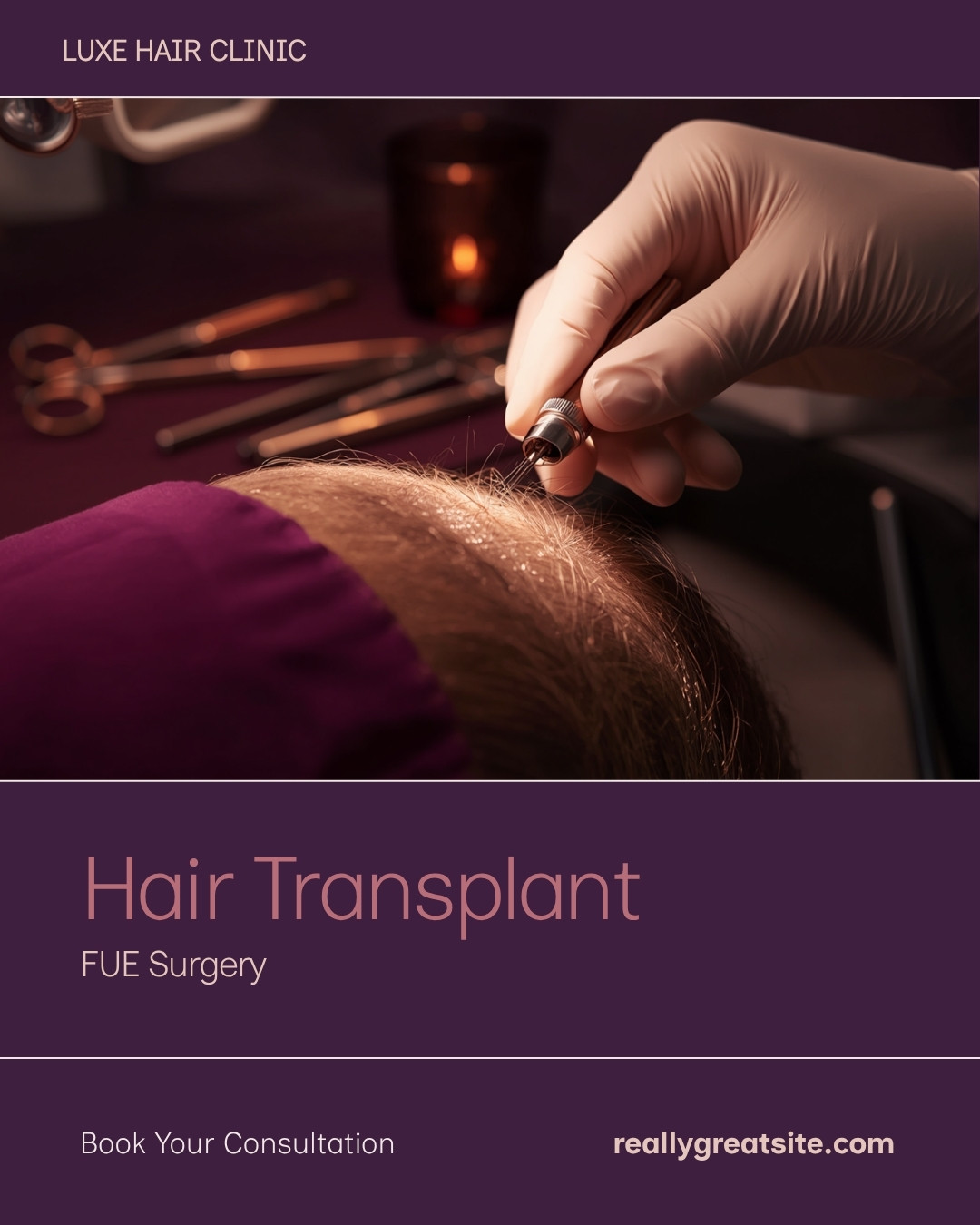
A 29-year-old software engineer from Infocity walked into the clinic last month with three quotes in his phone. ₹85,000, ₹1.6 lakh, and ₹3.2 lakh. All three were for "FUE hair transplant in Bhubaneswar". All three claimed the same number of grafts. He wanted to know which one was real. The honest answer is that all three can be real depending on what is actually being delivered. Hair transplant pricing in Bhubaneswar in 2026 sits across a wide band, and the cheapest quote and the most expensive quote often look identical on paper. This piece breaks down what you are actually paying for.
Why this matters more in Bhubaneswar than people assume
Bhubaneswar has quietly become one of the busier hair restoration markets in eastern India. The reason is demographic. The city has a heavy population of men in their late twenties and early thirties working in the IT corridor at Infocity, Chandaka, and Patia, with patients also travelling in from Cuttack, Khordha, Jajpur, and as far as Jharsuguda and Sambalpur. The Norwood profile we see most often is NW2 to NW3, that is, recession at the temples or a thinning crown, in patients between 26 and 38 years old.
The humid climate is the second factor. Bhubaneswar runs hot and humid from March through October, with summer surface temperatures regularly above 38 C and monsoon humidity that does not let scabs heal cleanly without a careful aftercare protocol. A transplant done well in Mumbai or Delhi is not the same as a transplant done well in Bhubaneswar, because the recovery environment is different. That affects how a clinic should plan the procedure and what they should be charging for.
What you are actually paying for in a hair transplant
The price tag on a hair transplant is not for the surgery alone. It is for six things bundled together. Understanding the bundle helps you read a quote properly.
When one Bhubaneswar quote is dramatically lower than another, one of those six categories is usually being cut. Most often it is surgeon supervision or post-op care. Sometimes it is graft survival itself, when teams are pushed to harvest too fast.
FUE pricing in Bhubaneswar, 2026
Most clinics in Bhubaneswar in 2026 quote on a per-graft basis. Here is the realistic band, based on what is currently being charged across the city:
For a representative session by Norwood stage:
These numbers assume FUE and a single primary session. A small refinement session a year later, if needed for density, is usually 500 to 1,000 grafts and priced separately.
FUE vs FUT: does the technique change the price
In Bhubaneswar in 2026, almost every transplant being marketed is FUE. Follicular Unit Transplantation (FUT), the older strip method, is still clinically valid and in some high-Norwood cases is actually superior because it preserves donor density. FUT typically costs about 20 to 30 per cent less per graft than FUE in this market because harvesting is faster. The trade-off is a linear scar at the back of the head, which is fine if you keep your hair at grade 3 or longer, and a problem if you ever want a very short crop. [DermNet NZ has a clear overview of both techniques and their evidence base.](https://dermnetnz.org/topics/hair-transplant)
A combined FUT plus FUE session is sometimes recommended for advanced cases. That tends to land at the upper end of the bands above.
What changes a quote, beyond graft count
Three patient factors push the bill up or down by a meaningful margin.
Donor density. Indian hair often has a donor density of 55 to 75 follicular units per square centimetre in the safe zone. A patient with naturally dense donor hair gets more usable grafts from a smaller harvest area, which is faster and cleaner. A patient with low donor density may need a careful, slower harvest to avoid leaving a visible thinning band at the back, and that can add a session or limit total achievable density. Skin type and scarring tendency. Patients prone to keloid scarring need pre-operative assessment. The procedure remains feasible in most cases but the planning takes more time. Patients with active scalp conditions, including untreated seborrheic dermatitis or folliculitis, often need a few weeks of medical management before surgery is safe. That is a clinical add-on, not an upsell. Adjunct treatments. Pre-op PRP sessions, intra-operative platelet-rich plasma, and post-op micro-needling boosters all improve outcomes in published studies and add to the bill. At Ashu Skin Care these are bundled into mid-tier packages rather than billed separately, but other clinics may itemise. Either is fine, as long as the protocol is transparent.Sessions, recovery, and the timeline you actually live through
A standard FUE session for 2,500 grafts takes between six and eight hours, broken across morning and afternoon at most clinics. You are awake under local anaesthesia. You can eat, watch a film on your phone, and most patients describe the experience as boring rather than painful.
Recovery in Bhubaneswar specifically has a wrinkle. The first ten days are the high-risk window for graft survival. In a humid monsoon week, scab management matters more than it does in a dry winter. The clinic should give you a saline mist protocol, instructions for gentle washing from day three or four, and a clear no-helmet, no-direct-sun rule for the first two weeks. Patients commuting on two-wheelers from Khandagiri or Patia need to plan an alternative or a wide soft hat for the first fortnight.
Visible new growth begins around month three. Density continues to build until month nine to twelve. Final assessment is at the one-year mark. This is not a quick fix. It is a year-long process where most of the visible change happens silently under the scalp.
How to read a quote without being misled
Six questions cut through almost every misleading hair transplant quote in Bhubaneswar.
If a Bhubaneswar clinic answers these six questions clearly and shows real patient photography, the price you are quoted is probably fair, whether it is on the lower or upper end of the band.
Where Ashu Skin Care sits
Ashu Skin Care has been running hair restoration in Bhubaneswar for more than two decades under Dr. Anita Rath, MD (Skin and VD), with surgical sessions supervised through the full procedure and a structured one-year follow-up. Per-graft rates in 2026 sit in the ₹40 to ₹70 band depending on session size and complexity, with PRP boosters and follow-up reviews included in mid-tier packages. The clinic publishes real before-and-after photography for patients at the twelve-month mark, and Dr. Rath personally consults every prospective transplant candidate before a procedure is scheduled. Pricing for your specific Norwood stage and donor profile is shared after the consult, not before, because an honest quote requires looking at your scalp first.
If you have already collected two or three quotes from other clinics in the city, bring them with you. Reading them together against your actual scalp is the cleanest way to understand what each one is really offering.
Frequently Asked Questions
Is hair transplant in Bhubaneswar safe?
Yes, when performed by a qualified dermatologist or plastic surgeon in a sterile clinic setting. The procedure is done under local anaesthesia and is classified as a minor surgical procedure by the [American Academy of Dermatology](https://www.aad.org/public/diseases/hair-loss/treatment/hair-transplant-faq). Complications such as infection or unnatural-looking results are uncommon when surgeon oversight is genuine. The risk profile rises sharply in clinics where untrained staff perform extraction or implantation without a doctor present.
How many grafts do I need for a full result?
It depends on your Norwood stage and donor density. A Norwood 2 typically needs 1,200 to 1,800 grafts. A Norwood 4 needs 2,800 to 3,800. The right number for cosmetic naturalness is usually higher than the minimum needed for coverage, because density at the hairline matters more visually than coverage of bare scalp. Your dermatologist should give you a graft estimate after physically examining the donor and recipient zones, not over the phone.
Are the results truly permanent?
Transplanted hair from the safe donor zone retains its genetic resistance to DHT for life in most patients, so the transplanted follicles continue to produce hair indefinitely. However, native non-transplanted hair around the graft can continue to thin with age, which is why a long-term plan often includes finasteride or topical minoxidil to slow background loss. Otherwise the result can look uneven after ten years. This is a clinical decision, not a sales add-on.
Will I have visible scars?
In FUE the donor zone shows tiny dot-shaped scars that are not visible at grade 2 hair length and above. In FUT there is a linear scar across the back of the head, again not visible at moderate hair lengths. Patients planning to keep very short cropped hair long-term should choose FUE.
When will I see the final result?
Initial shedding of transplanted hair happens within the first three weeks. This is normal and expected. Real visible growth starts around month three. Density continues to thicken through month nine. Final result is assessed at the one-year mark. The graft is doing work the whole time; you just cannot see most of it until later.
What if my hair loss continues after the transplant?
The transplanted hair stays, but native hair around it can continue to thin. This is why most dermatologists pair a hair transplant with a long-term medical maintenance plan, usually finasteride 1 mg or topical minoxidil 5 per cent, depending on age, response, and side-effect profile. Without maintenance, you can end up with a dense transplanted zone surrounded by progressively thinner native hair, which looks worse than the original baseline.