Melasma Treatment in Bhubaneswar: Managing Recurrence Successfully
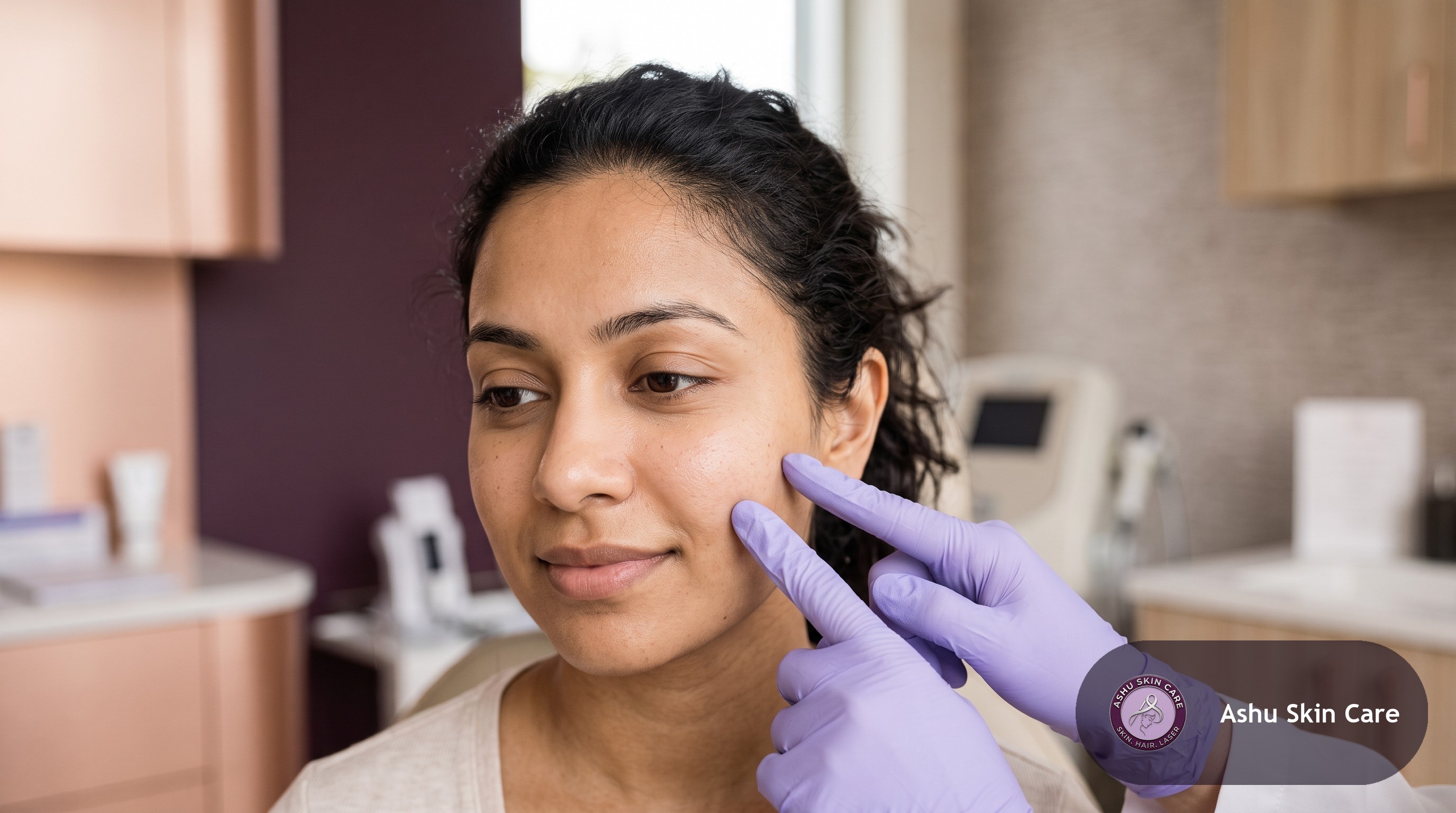
Key takeaways
- Melasma causes brown or gray-brown patches on the face, commonly affecting Indian women due to genetic factors, sun exposure, and hormonal changes.
- While topical creams provide initial fading, managing melasma recurrence requires advanced clinical treatments like chemical peels and specialized lasers.
- Active ingredients like tranexamic acid can target pigment pathways, but must be prescribed and monitored carefully by a qualified dermatologist.
- Daily application of broad-spectrum sunscreen with SPF 50 or higher is non-negotiable to protect the skin and prevent rebound pigmentation.
What causes melasma in Indian women?
Melasma is a common skin condition causing dark, symmetrical patches on the face, frequently affecting Indian women. It is triggered by sun exposure, genetic tendencies, and hormonal changes, which stimulate pigment-producing cells to overproduce melanin.
Indian skin has higher baseline melanin levels, making it more reactive to triggers like ultraviolet radiation and visible light. Hormonal fluctuations during pregnancy, oral contraceptive use, or thyroid imbalances also play a major role in developing these stubborn patches.
The signals that separate routine shedding from true hair loss are visual. Watch for a widening part line, a shrinking ponytail, patches of smooth bare scalp, or a hairline that has clearly moved.
Why does melasma recur after treatment?
Melasma recurs because the pigment-producing cells, called melanocytes, remain hyperactive even after superficial patches fade. Common triggers like sunlight, heat, and hormonal shifts easily reactivate these cells, causing dark spots to return if preventative care is stopped.
Many patients experience pigment clearing only to find patches returning after a weekend outdoors or near high heat. This rebound pigmentation happens because the underlying cellular activity is not fully resolved. True success lies in long-term maintenance rather than a quick fix.
Standard treatments often only target pigment near the surface. To achieve lasting control, a dermatologist must address both active pigmentation and the underlying inflammation that triggers melanin production.
What is the best melasma treatment in Bhubaneswar?
The most effective melasma treatment in Bhubaneswar combines customized topical therapies with in-clinic procedures like chemical peeling and pigment-targeting lasers. A dermatologist will design a multi-step plan based on your skin type to ensure safe, gradual fading.
At a specialized skin clinic in Bhubaneswar, dermatologists customize the treatment strength to avoid irritating dark skin, which can cause hyperpigmentation. A gentle, progressive approach works far better than aggressive procedures.
Let's compare the common clinical options used to manage stubborn pigmentation:
| Treatment Type | How It Works | Typical Schedule |
|---|---|---|
| Topical Agents | Block pigment pathways and increase skin cell turnover | Daily home application |
| Chemical Peels | Exfoliate pigmented layers using dermatological acids | 3 to 6 sessions, spaced monthly |
| Laser Therapy | Target deep-seated pigment deposits using low energy | Multiple sessions under strict supervision |
How does tranexamic acid help melasma?
Tranexamic acid is a medical ingredient that helps melasma by blocking the pathway that connects UV rays to pigment cells. It reduces the vascular components of melasma, helping to lighten stubborn dark patches and lower the risk of recurrence.
Dermatologists use this agent in topical creams, micro-injections, or low-dose oral tablets. By calming the inflammatory triggers that cause melanocytes to overproduce pigment, it has become a cornerstone in managing difficult cases.
How can you prevent melasma from returning?
To prevent melasma from returning, you must protect your skin from sun and heat daily. Apply a broad-spectrum sunscreen, wear wide-brimmed hats, and avoid direct heat from cooking or steam, while sticking to a dermatologist-approved maintenance routine.
Sunscreen is your primary shield. UV rays pass through window glass and clouds, meaning you need sunscreen indoors and on rainy days. Reapply every three hours if you are outdoors.
- Use physical blockers. Choose sunscreens containing zinc oxide or titanium dioxide, which physically deflect harmful rays.
- Avoid high heat. Heat from saunas, steam rooms, and hot kitchens can trigger melanocytes even without direct sunlight.
- Gentle skin care. Avoid harsh scrubs or face washes that cause redness, as inflammation can trigger new pigment patches.
If you want to design a long-term plan, you can book a consultation with our team, or contact Ashu Skin Care to learn about our skin rejuvenation options.
Frequently asked questions
Is melasma curable permanently?
Melasma is not permanently curable, but it is highly controllable. With professional clinical treatments, proper home care, and strict sun protection, you can clear the patches and prevent them from returning for years.
What is the role of sunscreen in melasma management?
Sunscreen is the absolute foundation of melasma management. Even a few minutes of unprotected sun exposure can trigger melanin production and bring back faded patches. Use a broad-spectrum sunscreen daily.
Are chemical peels safe for melasma on Indian skin?
Yes, chemical peels are safe when selected and performed by a qualified dermatologist. Mild peels like glycolic or salicylic acid are used to gently lift superficial pigment without causing irritation or rebound darkening.
Can stress trigger melasma flare-ups?
Yes, stress can trigger melasma. High stress levels stimulate the release of melanocyte-stimulating hormone, which can lead to new dark patches or worsen existing pigmentation on your face.
The bottom line
Melasma is a chronic pigmentation condition that requires ongoing care rather than a single, quick-fix treatment. While professional procedures like peels and targeted lasers can clear stubborn patches, maintaining results depends on daily sun safety and a tailored skin routine. Consulting a trusted dermatologist is the best way to get a safe, effective plan that protects your skin from future recurrence.
Sources
- Melasma: Overview · American Academy of Dermatology
- Melasma · MedlinePlus, U.S. National Library of Medicine
This article is for education only and is not a substitute for medical advice. Consult a qualified dermatologist for diagnosis and treatment.