Summer Skin Protection in Bhubaneswar's 40C Heat: Sunscreen, Tan, and Heat Rash
Key takeaways
- Bhubaneswar's peak summer heat (up to 38-40C) drives most of the tanning and heat rash cases dermatologists see, and both are largely preventable with consistent daily habits.
- Broad-spectrum SPF 30 or higher, reapplied roughly every two hours outdoors, prevents most of the tan and sun damage that patients later seek clinic treatment for.
- Avoiding outdoor exposure between 11am and 3pm, when UV intensity peaks, meaningfully reduces both tanning and heat-related skin problems.
- Heat rash results from blocked sweat ducts, not dirt, so it needs breathable clothing and cooling rather than more scrubbing.
What SPF and application actually work in Bhubaneswar's heat?
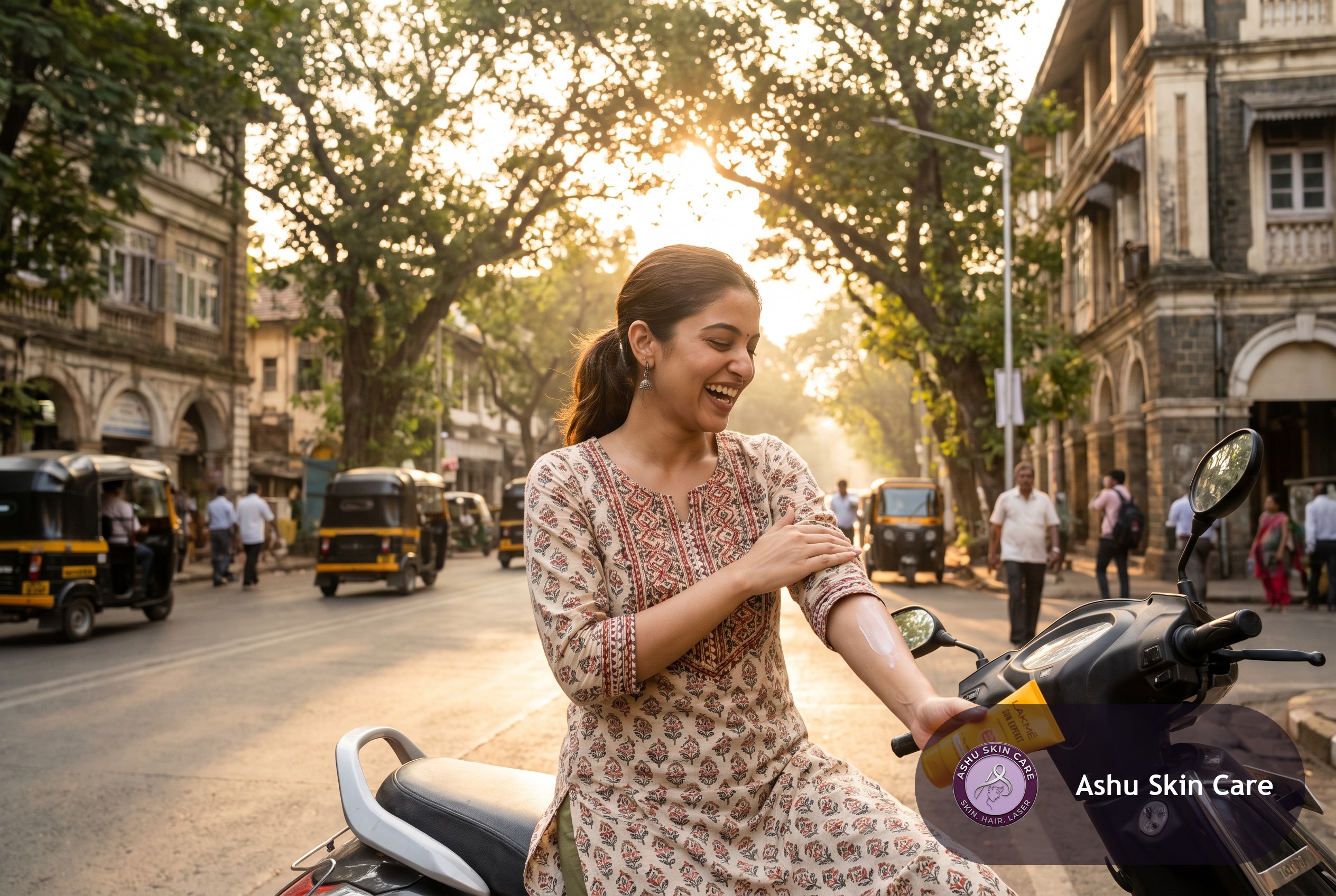
Use a broad-spectrum sunscreen of SPF 30 or higher, apply about a teaspoon's worth to the face 15 minutes before going outdoors, and reapply roughly every two hours, or sooner if sweating heavily, per American Academy of Dermatology guidance.
Most people apply far less sunscreen than the amount tested in SPF ratings, which is the single biggest reason sunscreen 'does not work' for them. Under-application is common enough that it accounts for a large share of preventable tanning, according to AAD's list of common sunscreen mistakes.
Does the time of day actually matter?
Yes. UV intensity peaks between roughly 11am and 3pm in Bhubaneswar's summer, and limiting direct outdoor exposure during this window, or seeking shade when unavoidable, reduces sun damage more effectively than sunscreen alone.
For anyone whose commute or work keeps them outdoors during these hours, sunscreen becomes non-negotiable rather than optional, and lightweight, breathable, full-coverage clothing adds meaningful extra protection on top of it.
What causes heat rash and how is it treated?
Heat rash forms when sweat ducts become blocked and trapped sweat leaks into the surrounding skin, causing small itchy or prickly bumps, most often where clothing traps heat and moisture against the skin.
The fix is cooling the skin and letting it breathe, not scrubbing harder, which can irritate already-inflamed skin further. Loose, breathable cotton clothing, staying in cooler environments when possible, and avoiding heavy occlusive creams during flare-ups all help resolve heat rash faster.
Persistent or widespread heat rash that does not settle within a few days of these measures is worth a dermatology visit, since it can occasionally be confused with a fungal skin infection that needs different treatment.
Is clinic tan removal effective, or should you wait it out?
A clinical tan removal treatment, such as a light chemical peel or medi-facial, clears tanning faster and more evenly than home remedies, and is a reasonable option when tan and dullness have built up over the summer despite sunscreen use.
Prevention remains more effective than any treatment, since sunscreen and timing avoid the tan altogether. For tan that has already set in, a chemical peeling session run by a dermatologist offers a faster, more even result than home bleach scrubs, which can irritate skin and cause patchy pigmentation instead. Our skin peeling and tan removal page and monsoon skincare guide cover the routine changes worth making across both seasons.
Does drinking water actually help summer skin problems?
Adequate water intake supports overall skin function and helps regulate body temperature in extreme heat, but it does not substitute for sunscreen or replace topical hydration, since dehydration and sun damage are separate problems that both need direct attention.
Staying well-hydrated in Bhubaneswar's summer heat is good general health practice and reduces the risk of heat-related illness, which indirectly benefits skin, but it should be treated as one part of a routine that still needs sunscreen and appropriate skincare on top.
Frequently asked questions
What SPF is needed for Bhubaneswar summers?
SPF 30 or higher, broad-spectrum, applied generously and reapplied roughly every two hours outdoors. Under-application is the most common reason sunscreen fails to prevent tanning.
How to treat tan quickly?
A clinical treatment like a light chemical peel or medi-facial clears tan faster and more evenly than home remedies. Prevention through consistent sunscreen use remains more effective than any after-the-fact treatment.
What causes heat rash and how is it treated?
Heat rash is caused by blocked sweat ducts trapping sweat under the skin, producing small itchy bumps. Treatment is cooling and breathable clothing, not scrubbing, and persistent cases should see a dermatologist.
Is tan removal at a clinic effective?
Yes, clinical treatments like chemical peels are generally faster and more even than home remedies for treating existing tan, though sunscreen remains the more effective long-term prevention strategy.
Does drinking water help with summer skin problems?
It supports overall skin function and helps the body handle heat, but does not replace sunscreen or targeted skincare. Treat hydration as one part of a summer routine, not a substitute for the rest of it.
The bottom line
Most of what dermatologists treat every Bhubaneswar summer, tanning and heat rash especially, traces back to a small set of preventable habits: under-applied sunscreen, peak-hour sun exposure, and heavy clothing that traps heat. Fixing those three things prevents more damage than any treatment applied afterward. When tan or rash has already set in despite reasonable precautions, a clinic visit clears it faster and more safely than home remedies.
Sources
- How to apply sunscreen · American Academy of Dermatology
- 5 common sunscreen mistakes — and how to avoid them · American Academy of Dermatology
This article is for education only and is not a substitute for medical advice. Consult a qualified dermatologist for diagnosis and treatment.