Hair Fall: Causes, Treatments, and When to See a Dermatologist
Key takeaways
- Losing 50 to 100 hairs a day is normal. Hair fall becomes a concern when you notice visible thinning, patches, or a widening part line.
- The most common causes are hereditary hair loss, stress-related shedding, tight hairstyles, nutritional gaps, and thyroid or hormonal changes.
- Stress-related shedding usually reverses on its own within months, while hereditary hair loss needs treatment to slow or reverse.
- A dermatologist can identify your exact cause with a scalp examination and simple blood tests, then match you to a treatment plan that fits.
How much hair fall is normal?
Shedding 50 to 100 hairs a day is completely normal, according to the American Academy of Dermatology. Hair fall needs attention when the volume suddenly increases or your scalp becomes visible in new places.
Every hair on your head cycles through a growth phase, a resting phase, and a shedding phase. At any time, around 10 percent of your hair is resting and preparing to shed. That daily handful in your comb is the cycle working, not failing.
The signals that separate routine shedding from true hair loss are visual. Watch for a widening part line, a shrinking ponytail, patches of smooth bare scalp, or a hairline that has clearly moved.
What are the most common causes of hair fall?
Most hair fall traces back to one of six causes: heredity, stress-triggered shedding, tight hairstyles, nutritional deficiencies, hormonal or thyroid changes, and scalp conditions. Identifying which one you have decides which treatment will work.
- Hereditary hair loss. The most common cause worldwide, affecting both men and women. It shows up as a receding hairline or crown thinning in men and overall thinning along the part in women, per MedlinePlus.
- Stress-related shedding (telogen effluvium). Illness, high fever, surgery, childbirth, or intense emotional stress can push a large share of hairs into the shedding phase at once. The shedding typically appears 2 to 3 months after the trigger.
- Traction from tight hairstyles. Tight braids, buns, and extensions pull on the roots day after day. Caught early it reverses; continued for years it can become permanent.
- Nutritional gaps. Low iron, low protein, and low vitamin D are frequent, testable contributors, especially with restrictive diets.
- Hormonal and thyroid changes. Both an overactive and an underactive thyroid can cause diffuse hair loss, as can hormonal shifts after pregnancy or around menopause.
- Scalp conditions. Dandruff, fungal infections, and psoriasis inflame the scalp and disturb healthy growth. Treating the scalp often settles the shedding.
When is hair fall a warning sign?
See a dermatologist promptly if you notice sudden patchy loss, shedding that lasts beyond 6 months, hair coming out in clumps, or hair loss with scalp pain, burning, or scarring. These patterns point to causes that need medical care early.
Timing matters because some causes are far easier to treat early. Patchy loss can signal an autoimmune condition where the immune system attacks hair roots. Scarring types of hair loss can permanently close follicles if inflammation is not controlled quickly.
Which hair fall treatments actually work?
Treatment depends on the cause. Reversible causes like stress shedding and nutritional gaps resolve once the trigger is fixed, while hereditary hair loss responds to dermatologist-prescribed medicines, laser-based therapy, and, in advanced cases, hair transplant surgery.
Treating the trigger first
For shedding driven by stress, illness, or childbirth, the most effective treatment is patience plus general care: the cycle usually normalises within 6 to 9 months. For nutritional causes, blood tests identify the exact gap and supplementation is targeted, not guesswork.
Clinic treatments for ongoing loss
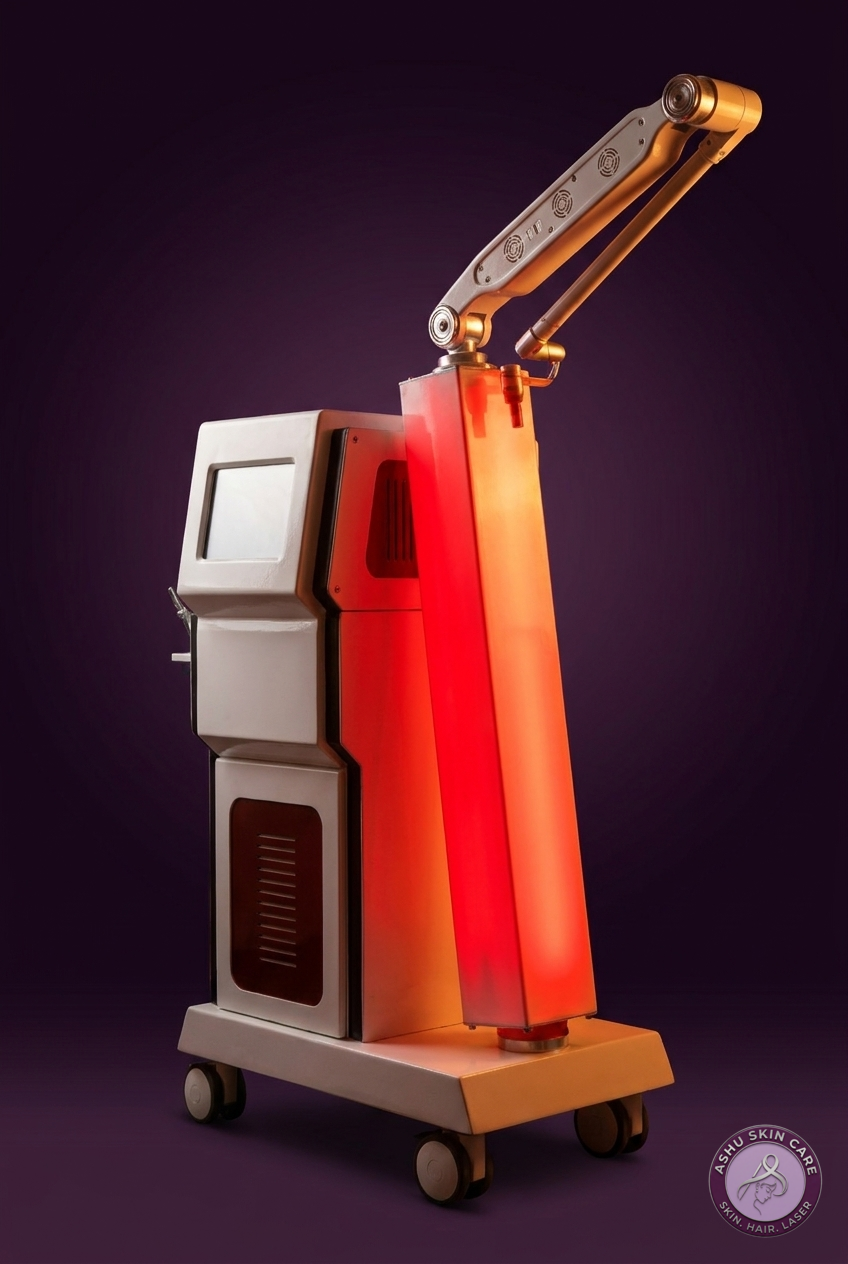
For hereditary and persistent hair loss, dermatologists combine prescription medicines with in-clinic procedures. Options at a skin and hair clinic range from low-level laser therapy that stimulates follicles to surgical restoration for established bald areas.
| Approach | Best suited for | Typical timeline |
|---|---|---|
| Prescription medicines | Early to moderate hereditary loss | Visible change in 3-6 months |
| Low-level laser therapy | Diffuse thinning, maintenance | Course of weekly sessions over 3-6 months |
| Hair transplant (FUE or FUT) | Established bald patches with stable donor hair | Full result in 9-12 months |
If you are weighing surgical options, start with our guides to hair transplant costs in Bhubaneswar and the differences between FUE and FUT techniques.
How can you prevent further hair loss?
You cannot change heredity, but you can protect the hair you have: handle it gently, loosen tight styles, eat enough protein and iron, manage stress, and treat scalp problems early instead of masking them.
- Loosen the tension. Alternate tight braids and buns with loose styles, and skip elastics that pull at the same spot daily.
- Wash gently, condition always. A clean scalp is a healthy scalp. Conditioner reduces breakage from combing, which many people mistake for root-level hair fall.
- Feed the follicles. Hair is protein. Diets very low in protein, iron, or overall calories show up on your scalp within months.
- Mind the heat and chemicals. High-heat styling and frequent chemical treatments weaken the hair shaft and thin the overall look of your hair.
- Treat the scalp, not just the strands. Persistent dandruff or itching deserves treatment before it disturbs growth.
Getting help in Bhubaneswar
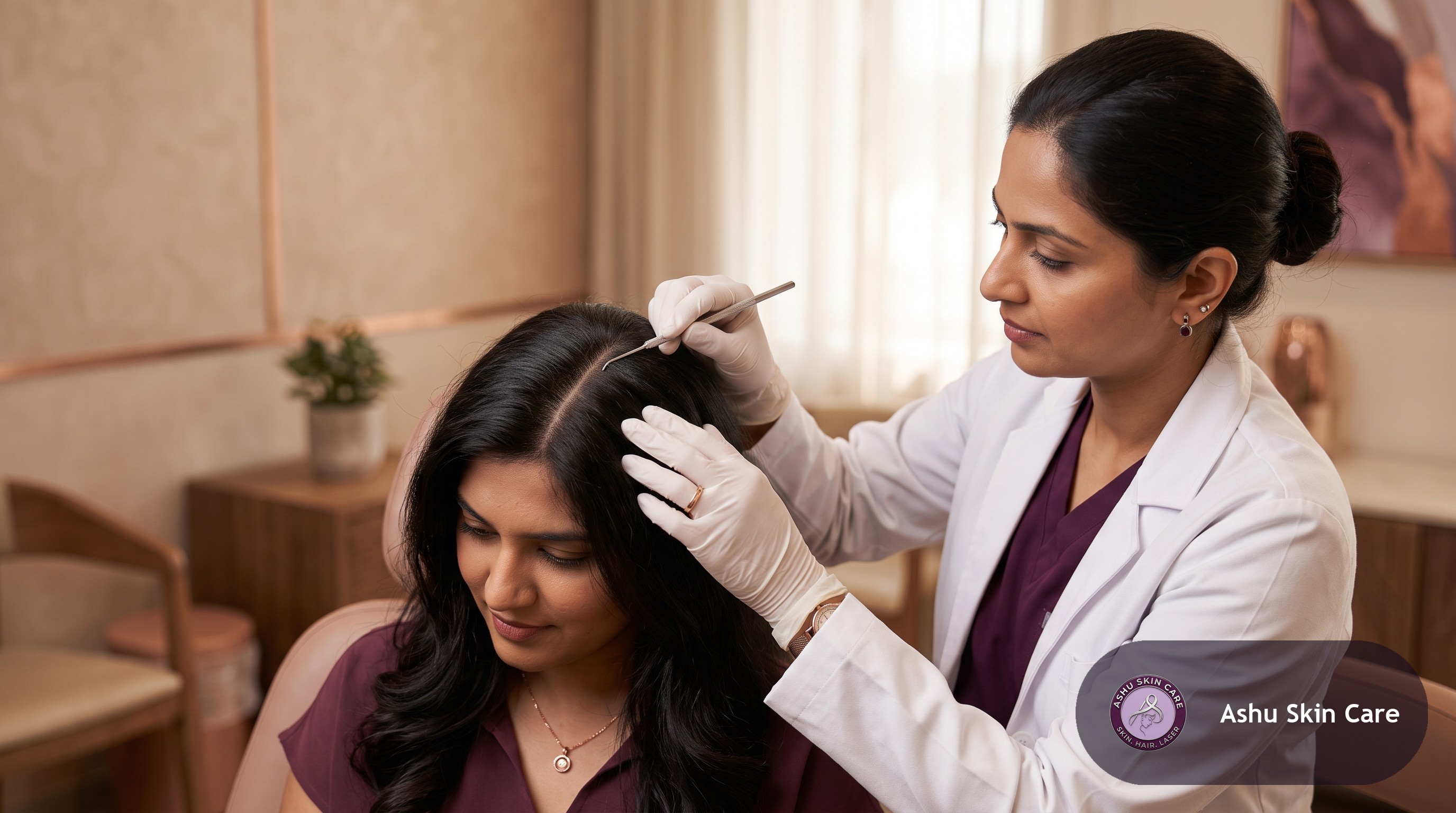
If hair fall is worrying you, a scalp examination with a dermatologist is the fastest way to a real answer. Ashu Skin Care in Jayadev Vihar offers consultations where the cause is diagnosed before any treatment is recommended.
A first visit typically includes a scalp and hair examination, a review of your history and medicines, and blood tests where a deficiency or thyroid issue is suspected. You leave with a named cause and a plan, which beats months of trial and error with over-the-counter products. You can book an appointment online or contact the clinic directly.
Frequently asked questions
Can hair grow back after falling out?
It depends on the cause. Hair lost to stress shedding, nutritional gaps, or scalp infections usually grows back once the cause is treated. Hereditary loss and long-standing scarring loss need medical treatment, and regrowth is best when treatment starts early.
How many hairs a day is normal to lose?
Around 50 to 100 hairs a day is normal shedding as part of the hair growth cycle. Seeing more than that consistently, or noticing visible thinning and patches, is the point where an evaluation makes sense.
Does oiling stop hair fall?
Oiling conditions the hair shaft and reduces breakage from dryness and combing, but there is no strong evidence it stops root-level hair loss such as hereditary thinning. Enjoy oiling for hair quality, and see a dermatologist for genuine hair fall.
When should I see a dermatologist for hair fall?
See a dermatologist if shedding lasts more than 6 months, you spot smooth bald patches, your part line keeps widening, or hair loss comes with scalp pain, redness, or scaling. Early diagnosis widens your treatment options.
The bottom line
Some daily hair fall is healthy, and a stressful season can temporarily double it without any lasting harm. But visible thinning, patches, and shedding that will not settle have identifiable causes, and almost all of them respond better to early treatment. A single dermatology consultation can replace months of guesswork with a diagnosis and a plan matched to your scalp, your history, and your goals.
Sources
- Do you have hair loss or hair shedding? · American Academy of Dermatology
- What causes hair loss? · American Academy of Dermatology
- Hair loss · MedlinePlus, U.S. National Library of Medicine
This article is for education only and is not a substitute for medical advice. Consult a qualified dermatologist for diagnosis and treatment.